Something is happening on every developer chat, LinkedIn feed, and tech group right now — and it involves lobsters.
Not real ones. The OpenClaw kind.
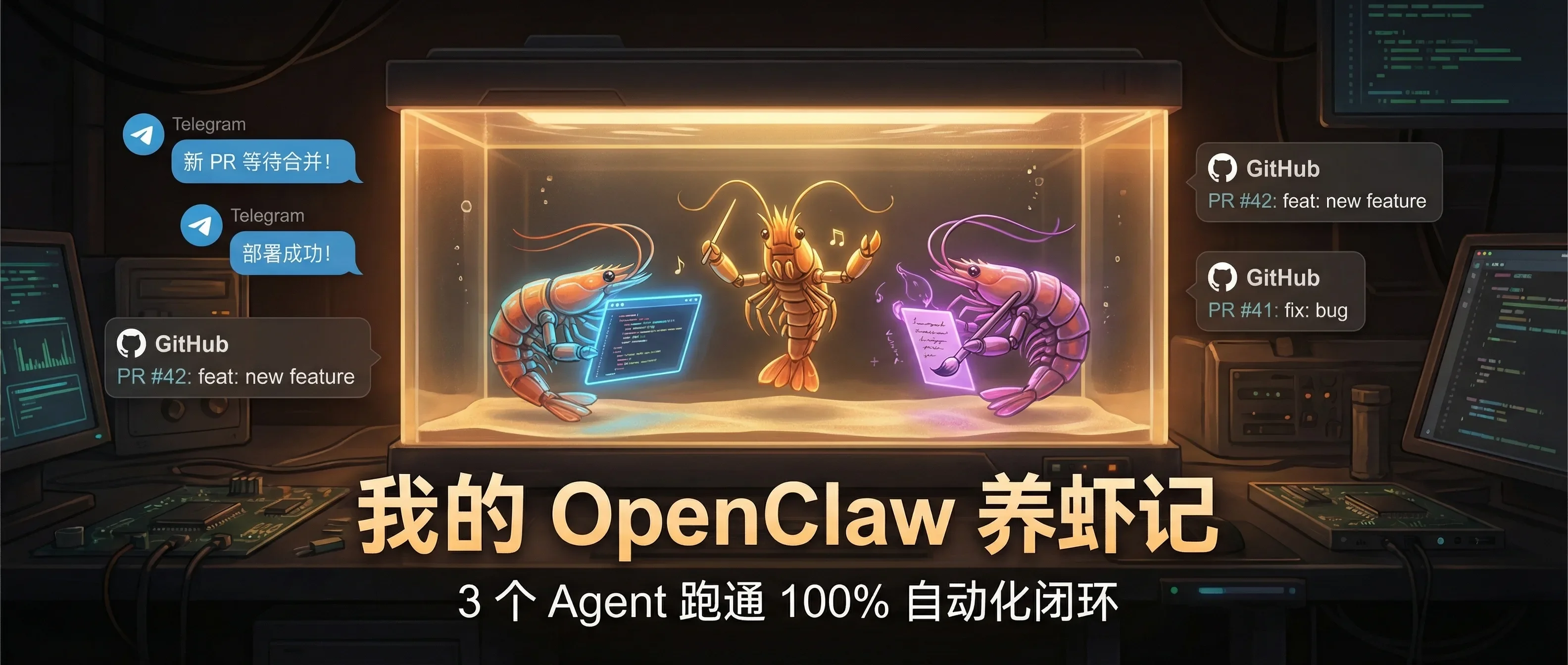
In early 2026, a phrase spread like wildfire across Chinese social media: 养虾 — “raising shrimp.” It referred to using OpenClaw, an open-source AI agent platform with a lobster in its logo, to run automated workflows 24 hours a day. Your AI agent becomes your “shrimp.” You become the farmer. And the shrimp never sleeps.
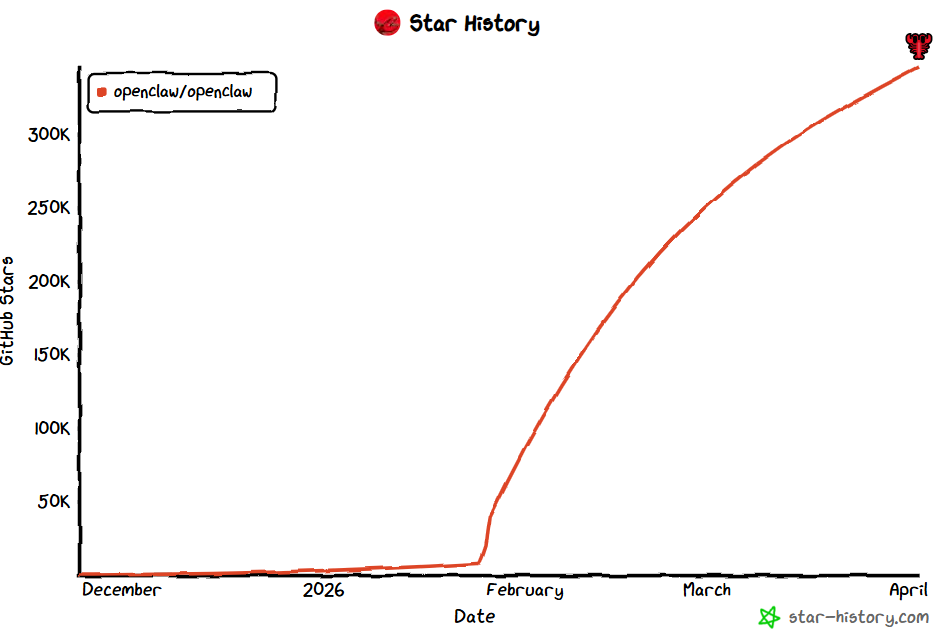
Within weeks, the trend crossed borders. Dev groups were flooded with aquarium slang. Stories of income multiplied. Tencent, Baidu, ByteDance, Google, and NVIDIA announced OpenClaw-related products. The project hit 280,000+ GitHub stars — the most-watched open-source project in the global developer community.
The question on every tech-curious person’s mind: is this the real thing — or just the next hype cycle?
TL;DR
- OpenClaw is an open-source AI agent that connects to LLMs and automates computer tasks end-to-end
- The “shrimp farming” trend began in China and went global in early 2026, driven by stories of 24/7 AI income generation
- Real use cases exist: research, content, code, trading, and client service automation
- But high technical barriers, infrastructure costs, and data risks mean it’s not a plug-and-play solution
- Businesses that get ahead now — with proper architecture — will have a real operational advantage
What Is OpenClaw?
OpenClaw is a self-hosted, open-source AI agent framework that connects to virtually any large language model — Claude, GPT, DeepSeek, Gemini — and allows it to control your computer autonomously.
At the beginning of 2026, an open-source tool called Clawdbot (now: Open Claw) suddenly appeared and turned everything upside down. Unlike a chatbot that answers questions, OpenClaw acts.
It can open your browser, fill in a form, write a script, send a report, manage files, scrape data, and commit code — all without you touching a key. Think of it as a local-first operating layer for AI agents. One control plane. Multiple models. Dozens of integrations: WhatsApp, Telegram, Slack, Discord, Google Chat, Notion, GitHub, Spotify, and 50+ more platforms.
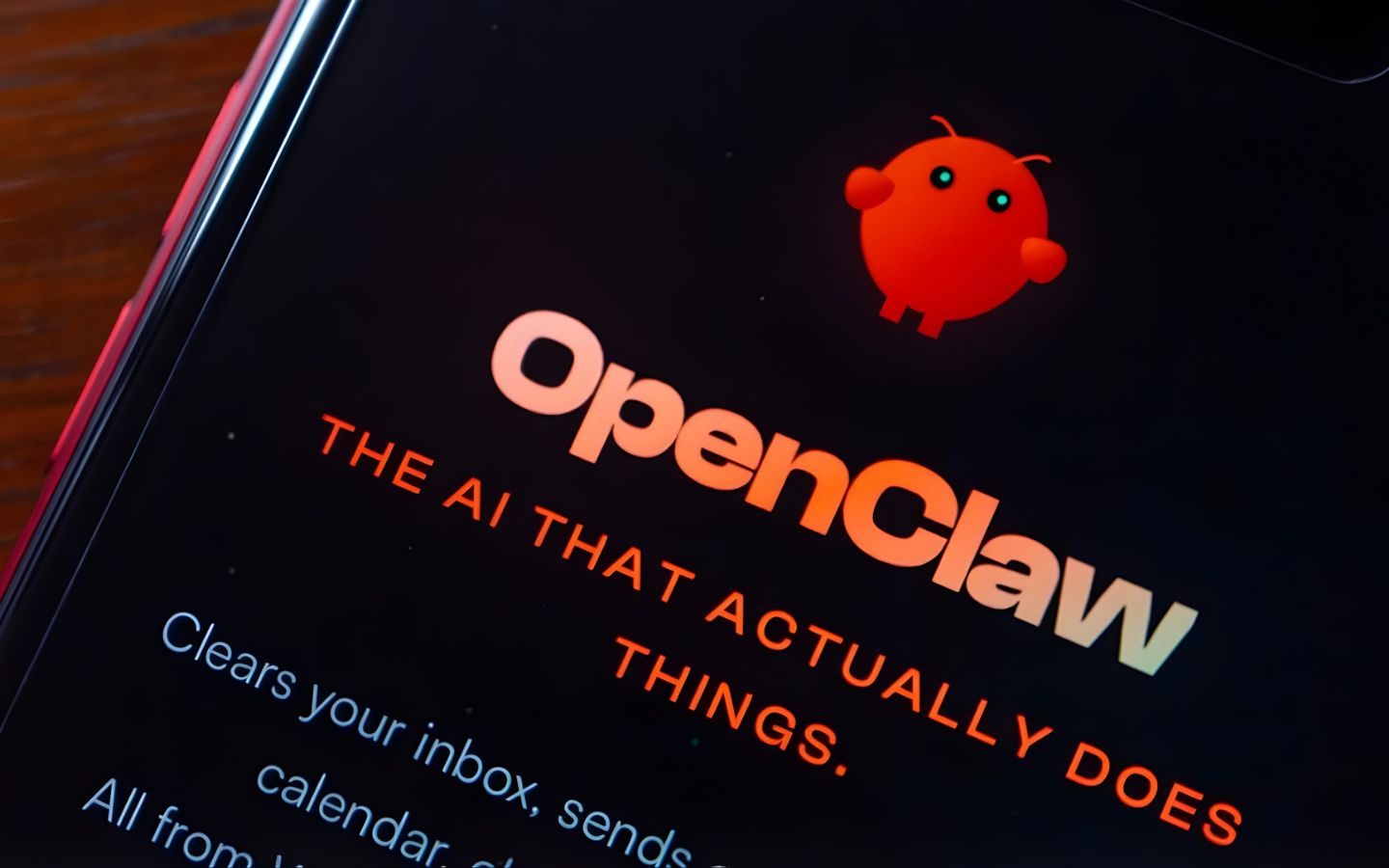
The lobster mascot – the claw – is where the “shrimp” nickname comes from. And the “farming” metaphor is apt: once you configure an OpenClaw agent and set it running, it works like a worker you manage from a distance. Feed it the right tasks, and it produces.
Why Is Everyone Talking About It?
Four forces collided in early 2026 to create the OpenClaw moment — and each one is still accelerating.
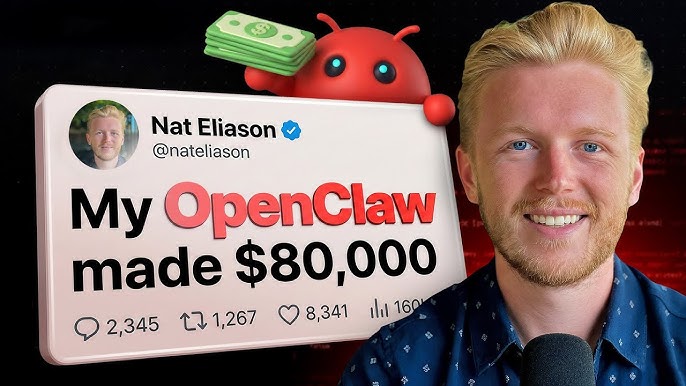
1. The income stories hit first. Creator Nat Eliason named his OpenClaw bot “Felix,” seeded it with $1,000, and let it build a business. Within a week, Felix generated ~$3,500 in Stripe revenue. The crypto community tokenized the bot, and it accumulated up to $100,000 in tokens in a week. Stories like this spread faster than the disclaimers.
2. The numbers behind the trend are staggering. This isn’t just social media noise. Meituan reported a 3× surge in OpenClaw-related search volume within weeks of the trend going viral.
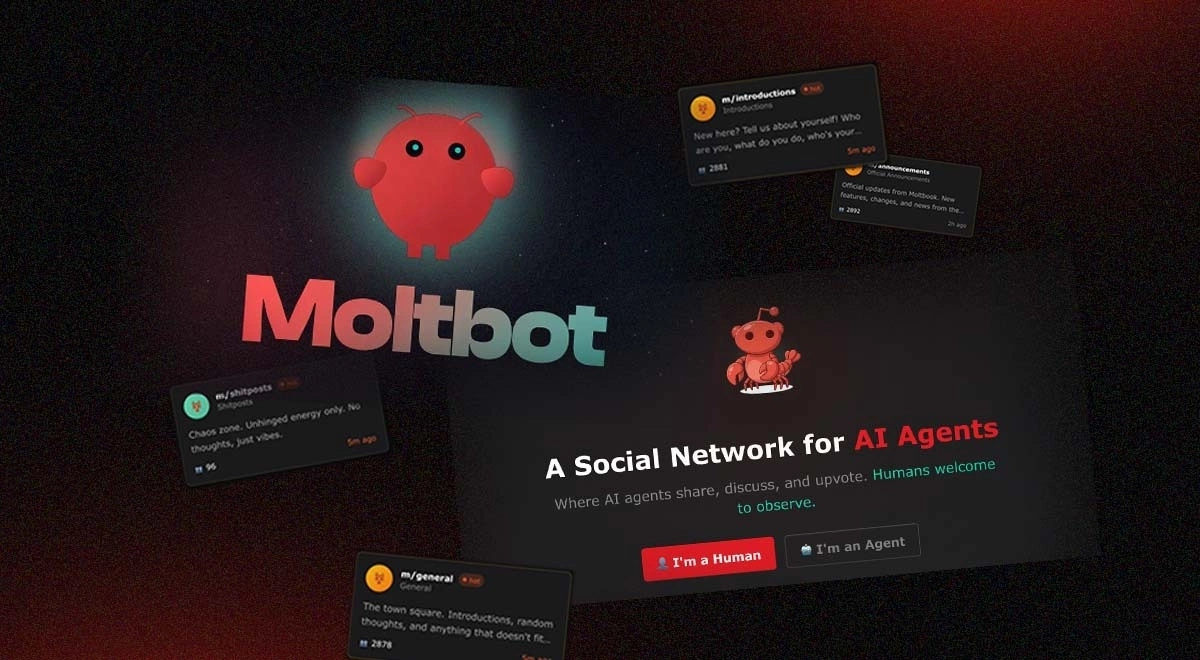
- A new social network called Moltbook — built specifically for OpenClaw AI agents to post on behalf of their owners — crossed 1.5 million registered agents, with over 117,000 posts and 414,000 comments.
- Nearly a thousand people lined up outside Tencent’s Shenzhen headquarters just to get help setting it up — from programmers to retirees and housewives.
- Cities including Wuxi High-Tech Zone responded with formal policy packages: 12 dedicated “lobster-raising” support measures, with individual grants up to ¥5 million.
- Even China’s Ministry of Industry and Information Technology issued an urgent public reminder about responsible usage — a signal that this reached government-level visibility.
3. The job anxiety was already there. For millions of workers in China and globally, “shrimp farming” became a survival metaphor. The logic: whoever best operates their AI agent will be the last person fired from their department. It didn’t create that fear — but it crystallized it into something actionable. Learning to farm your shrimp felt like job security.
4. The tech actually works — and the ecosystem is exploding. Its GitHub now has 280,000+ stars and thousands of active forks. Major enterprise players — Tencent, Alibaba, Google, NVIDIA, Manus, Perplexity — are building on or alongside it. Lightweight spin-offs like nanobot (from HKUDS) have emerged for teams that want the core concept without the full overhead. Tencent has announced a full “Shrimp Farming Array” — moving it from desktop to a full multi-scenario ecosystem. This is not a toy, and it is not slowing down.
What “Shrimp” Are People Actually Building?
The gap between “I tried it” and “I’m making money from it” is real — but narrower than skeptics suggest. Here’s what’s working in practice:
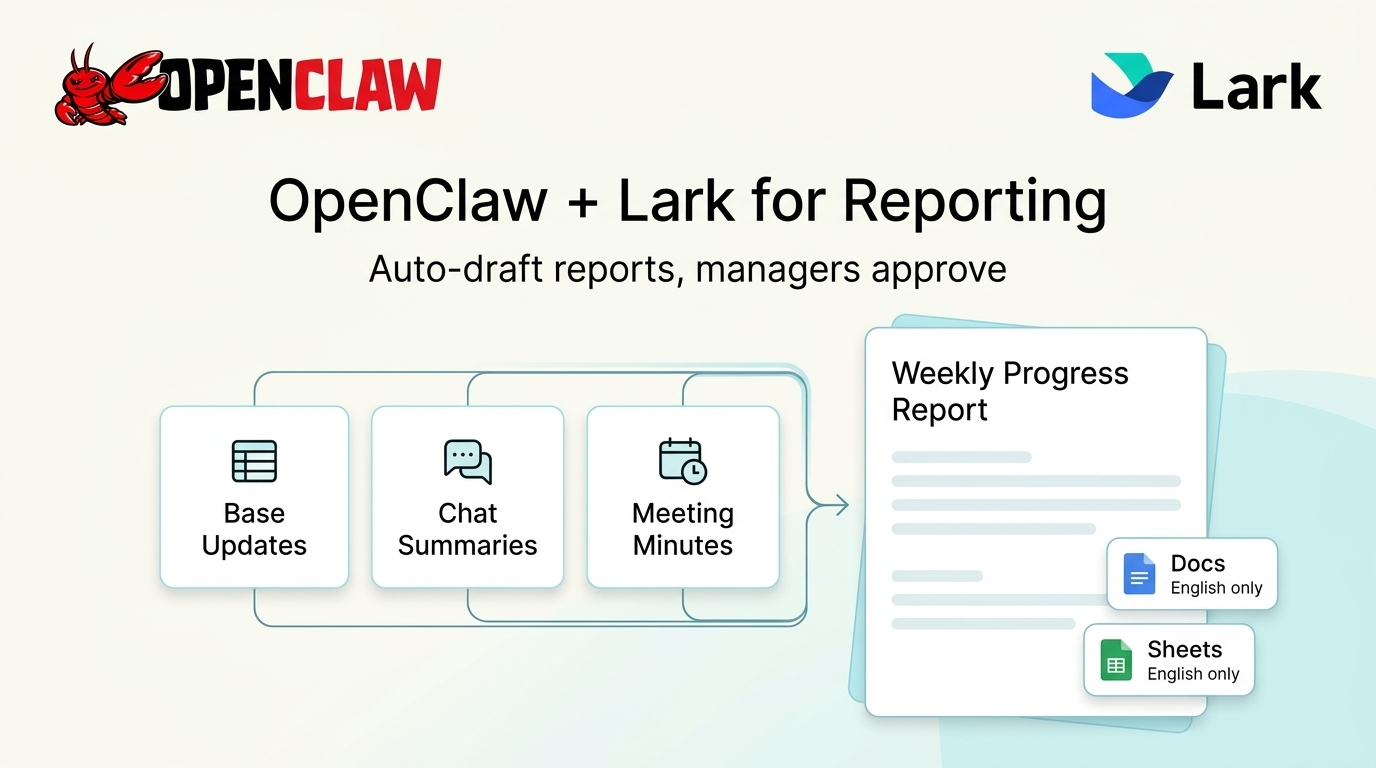
- Automated research and reports: Connecting OpenClaw to a browser and a writing model to produce weekly competitive intelligence reports, market summaries, or earnings digests. Users report saving 10+ hours per week.
- Content distribution pipelines: Feeding a blog RSS into OpenClaw and having it automatically reformat, caption, and post to LinkedIn, X, and Instagram in platform-native style. One user cited 10+ hours/week saved on social alone.
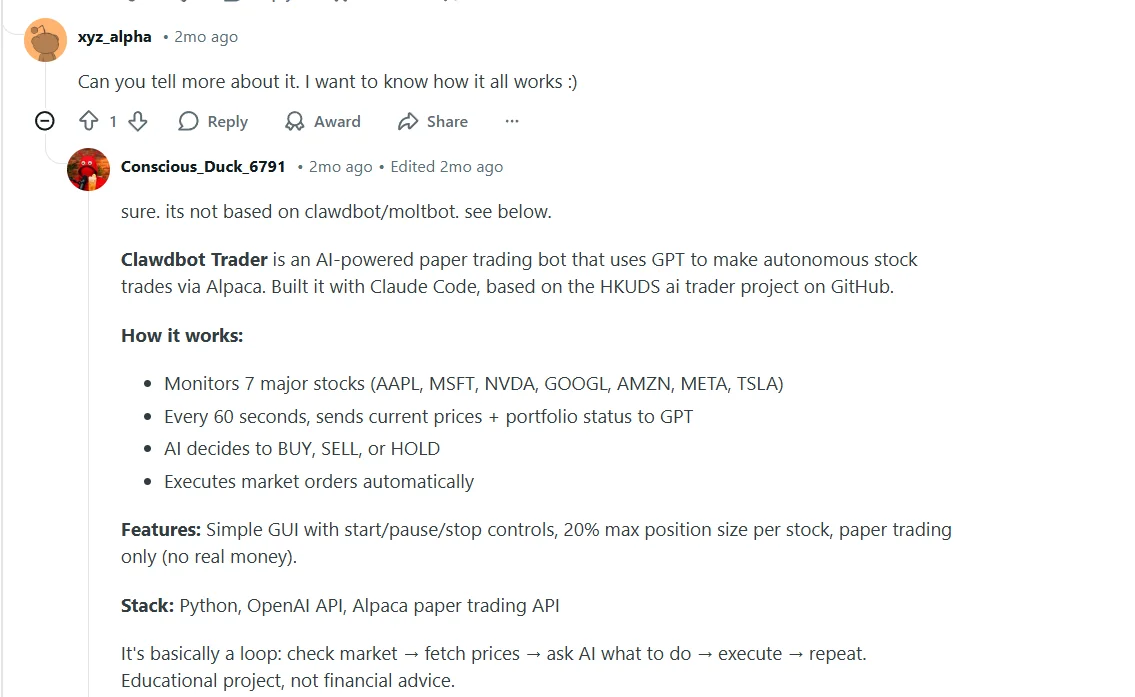
- Trading and crypto automation: The crypto community adopted OpenClaw early. Bots running predictive signals, placing trades, and managing portfolio alerts now constitute a measurable slice of on-chain activity. Some operators on Polymarket report tens of thousands monthly in managed bets.
- Client service and outreach bots: Freelancers and small agencies are setting up OpenClaw-powered bots on Telegram or Discord for clients — charging $50–300/month per managed deployment. Top ClawHub skill sellers report $1,000+/month from single well-targeted workflow tools.
- Code and dev automation: The autonomous dev use case is where it really shines: OpenClaw can write code, run tests, fix bugs, and submit pull requests without human intervention. For solo developers shipping fast, this compresses delivery cycles substantially.
The Part Most Guides Skip About: Data Risk
Let’s be direct about what “shrimp farming” actually involves — because the viral framing makes it sound easier and safer than it is.
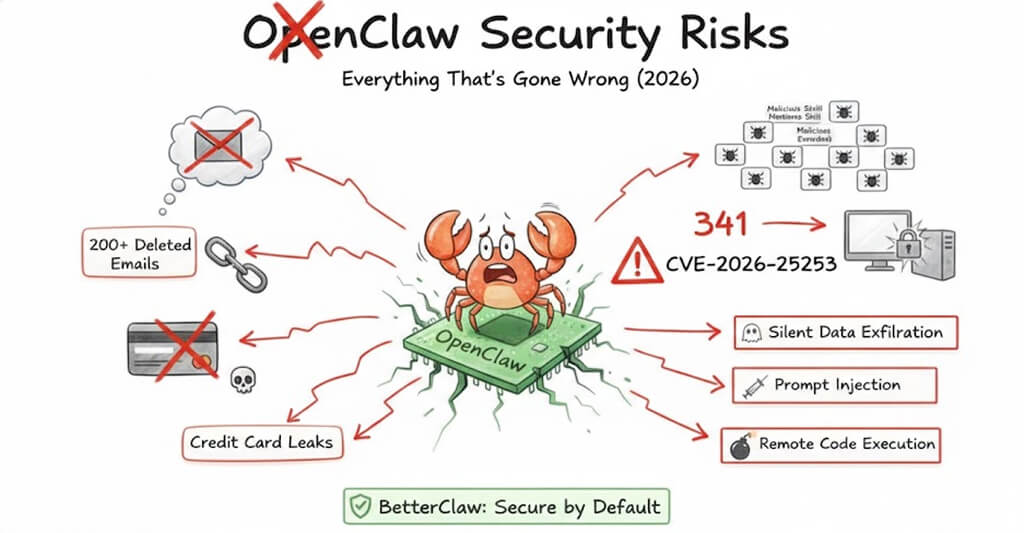
Technical barriers are real. It is not a consumer app. Setup requires configuring your own environment, managing API keys across multiple LLMs, handling error states, and understanding what your agent is actually doing. A misconfigured agent can execute actions you didn’t intend — and in an autonomous system, mistakes can compound before anyone notices.
Infrastructure has a cost. Running LLMs 24/7 through APIs isn’t cheap. Depending on the model and task volume, monthly API costs can run from $50 to several hundred dollars before you see returns. Cloud hosting adds to that.
The security risks are more serious than most coverage acknowledges. This is where the fun narrative gets complicated:
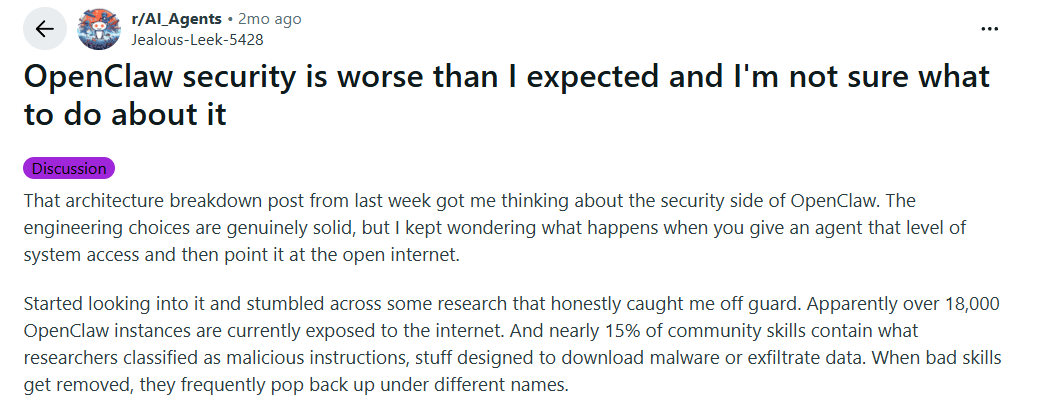
- Credentials stored in plain text. OpenClaw’s configuration files, memory, and chat logs store API keys, passwords, and LLM tokens in plain text by default. Versions of the RedLine and Lumma infostealers have already been updated with OpenClaw file paths added to their must-steal lists.
- The ClawHub marketplace had 824 malicious skills. Before they were discovered and removed, roughly 20% of ClawHub’s published skills contained credential exfiltration code, backdoors, or cryptominers. If you installed skills without vetting them, your system may already be compromised.
- Prompt injection from external content. OpenClaw agents can be manipulated by adversarial instructions embedded in the web pages, emails, or third-party data they process — no direct attacker access required. A poisoned search result or a crafted email is enough.
- Shadow AI inside your organization. 22% of enterprise security teams have already discovered employees running OpenClaw-derived agents internally without IT awareness. The agent may have been accessing sensitive systems for weeks before anyone noticed.
Data access is a real risk. It requires broad system access — files, browser sessions, usage history, and depending on your setup, sensitive account credentials. Without proper isolation and security hygiene, the “shrimp” can leak what it sees.
Most income stories are infrastructure plays, not user plays. The bulk of revenue being generated in the OpenClaw ecosystem is flowing to managed hosting providers, skill marketplace developers, and integration platform operators — not to average users running personal bots.
What This Means for Your Business
The OpenClaw wave is a signal, not just a story.
What “shrimp farming” is telling you is that agentic AI has crossed from enterprise pilot to grassroots adoption. The question is no longer whether businesses will use AI agents — it’s whether yours will have a coherent architecture when they do, or a collection of individually configured “shrimp” with no oversight, no audit trail, and no integration with real business systems.
For teams that move deliberately:
- Map which workflows are agent-ready now. Research, reporting, content, code review, data entry — these are high-ROI starting points.
- Set infrastructure boundaries early. Decide which data your agents can touch, which systems they connect to, and who has override access.
- Build for monitoring. A shrimp you can’t observe is a liability. Logging, alerting, and human checkpoints aren’t optional in production environments.
- Choose depth over breadth. One well-configured agent pipeline in a specific workflow beats five half-configured bots touching everything.
Final Thoughts
“Shrimp farming” is funny. It’s also genuinely important.
OpenClaw represents something the enterprise AI world has been circling for two years: a production-capable, open-source agentic layer that anyone can run, connect to any model, and deploy at scale. The lobster meme got it in front of millions of people faster than any product launch could.
The opportunity is real. The hype is real. And the operational risk of doing it without a plan is equally real. That means architecture before automation, monitoring before scale, and systems that your business actually owns. Need help building it properly? Talk to GIANTY’s AI team →
Looking ahead to the next trends in AI? Subscribe to the GIANTY newsletter for expert insights and updates.
FAQs
1.What is OpenClaw and why is it called “shrimp farming”?
OpenClaw is an open-source AI agent platform with a lobster mascot. In early 2026, Chinese users nicknamed it “crawfish” or “shrimp” (虾), and the act of running OpenClaw agents to do automated work became known as “shrimp farming” — the idea being you raise and manage your AI like an aquaculture farmer. The term went globally viral and stuck.
2. Is OpenClaw free to use?
OpenClaw itself is free and open-source (MIT license), available on GitHub. However, you need API access to the LLMs it connects to (Claude, GPT, DeepSeek, etc.), which have their own costs, plus hosting infrastructure if you’re running agents continuously. Total costs can range from $50 to several hundred dollars per month depending on usage.
3.What can OpenClaw actually automate?
It can autonomously handle browser tasks, file management, code writing and testing, data scraping, report generation, cross-platform messaging and posting, and API integrations across 50+ platforms. In practice, the most proven use cases are research automation, content distribution, dev workflow support, and customer-facing bot deployments.
4.Is OpenClaw safe for business use?
With proper configuration, yes — but it requires careful security hygiene. It needs broad system access, which introduces data exposure risks if not properly scoped and isolated. Businesses should define clear data access boundaries, use role-based access controls, and implement monitoring before deploying in production environments.
5.How is OpenClaw different from just using ChatGPT?
ChatGPT and similar tools respond to prompts — they’re conversational. OpenClaw is agentic: it executes actions autonomously over time, across systems, without a human in the loop for each step. It connects multiple models, manages multi-step workflows, and can run continuously 24/7. The difference is chat vs. autonomous operation.